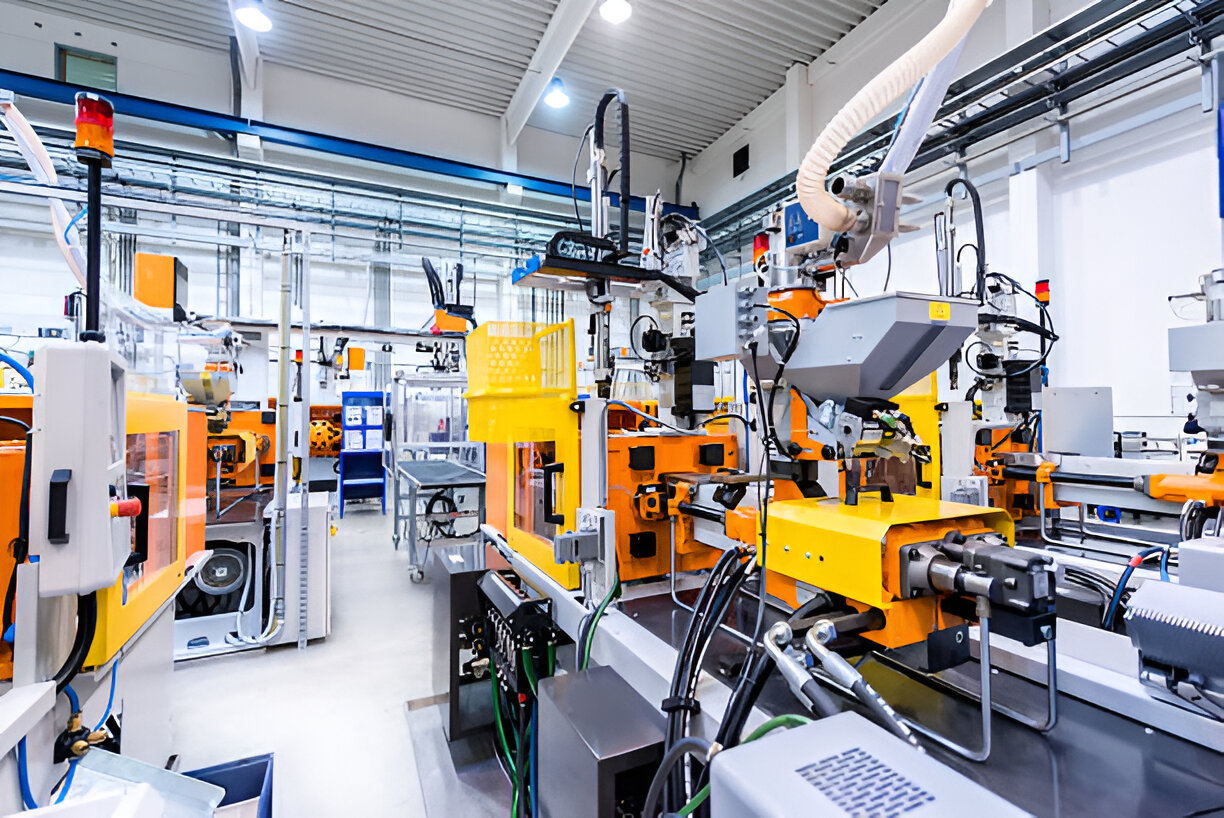
Industrial machinery is fundamental to the backbone of global manufacturing, yet it comes with its own set of challenges and exciting future trends. This sector constantly evolves to meet the demands of modern industries, requiring innovative solutions and adaptations.
Key Challenges in the Industry
One of the main challenges faced by the industrial machinery sector is the high cost of investment. Advanced machinery often comes with significant capital expenditure, which can be a barrier for small to medium-sized enterprises (SMEs). Additionally, maintaining and updating equipment to keep up with technological advancements can be expensive and require specialized expertise.
Another major challenge is the skill gap in the workforce. Operating complex machinery and integrating modern technologies such as robotics and AI require specialized training and knowledge. This skill gap has created a demand for more educational and training programs focused on industrial technology.
Supply Chain Disruptions
Recent global events have exposed vulnerabilities in the supply chain, affecting the availability of parts and components necessary for manufacturing industrial machinery. These disruptions have prompted companies to seek local suppliers or implement more resilient supply chain strategies to ensure consistent production.
Future Trends to Watch
The future of industrial machinery is increasingly centered around automation, connectivity, and sustainability. Smart factories, where interconnected machines communicate with each other to optimize production processes, are becoming the norm. These systems allow for real-time monitoring and predictive maintenance, significantly reducing downtime and enhancing productivity.
Integration of AI and IoT
The use of AI and IoT in industrial machinery is paving the way for greater operational efficiency. Machines equipped with sensors and connected to centralized monitoring systems can detect anomalies, predict potential failures, and recommend maintenance schedules before issues escalate. This leads to better asset management and reduced operational costs.
Focus on Sustainability
Sustainability continues to be a major trend influencing industrial machinery design and operation. Manufacturers are shifting towards energy-efficient machinery that meets strict environmental standards. Innovations such as hybrid and electric-powered equipment are gaining traction, helping industries reduce their carbon footprints.
Conclusion
While challenges such as high costs and workforce skill gaps exist, the future of industrial machinery holds promising developments in automation, connectivity, and sustainability. Companies that invest in adapting to these changes are likely to stay competitive and thrive in an ever-evolving industrial landscape.