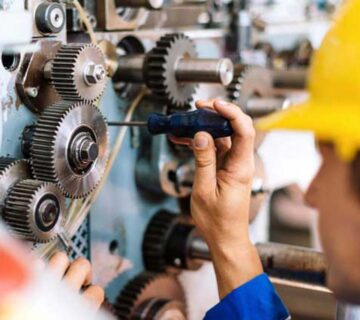
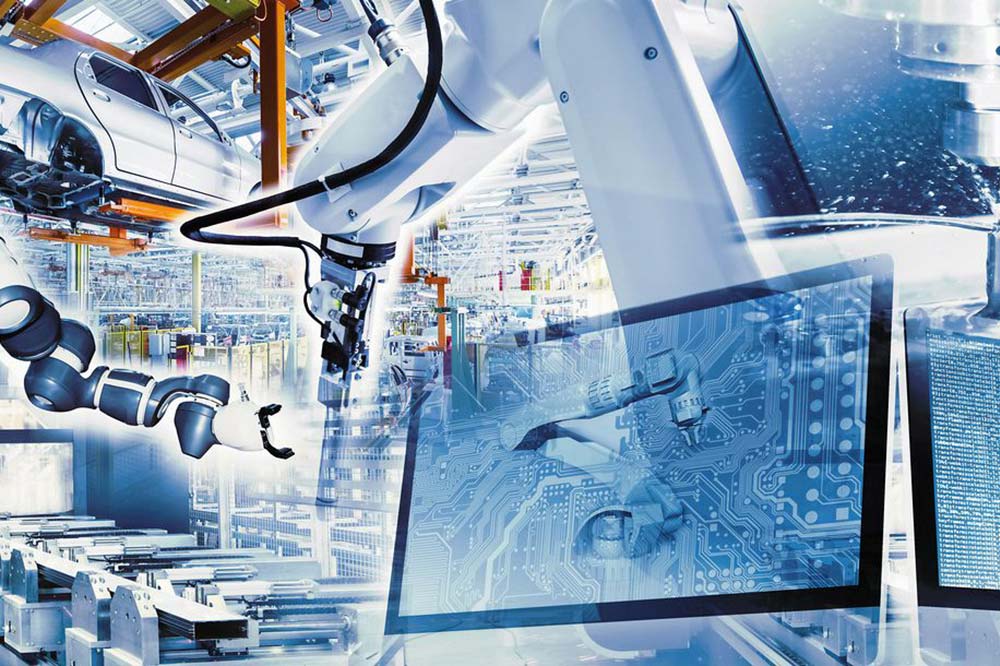
In the early 18th century, industry relied on humans using handheld tools to complete work. The invention of machines, such as the spinning jenny and the steam engine, changed manufacturing forever by sparking the first industrial revolution. Machinery manufacturing has developed with each industrial revolution, adapting to changing trends and technologies. As more manufacturers across the globe aim to digitalize their factories, machinery manufacturers must adapt again to meet demand.
Connectivity
One way to improve productivity in machine manufacturing is to increase precision and visibility in the supply chain. The Industrial Internet of Things (IIoT) means that physical objects have an intelligent interface that allow them to communicate with other objects, users and environments.
IIoT allows manufacturers to access real-time information about machine processes so they can make the right decisions and improve productivity. Better communication can help improve predictive maintenance, as a connected sensor can quickly detect machine issues, alerting maintenance engineers before downtime occurs.
Digital twinning
Machinery manufacturers should take the time to design with obsolescence in mind because manufacturers want equipment that lasts for a long time. However, designing and prototyping can take up time and resources.
Engineers can use digital twins to optimize machine design and prototyping. The digital twin uses data from sensors located on the physical asset to analyze its efficiency, working condition and real-time status. Manufacturers can simulate ideas, maintenance or new designs using the digital twin, giving the opportunity to test an idea before spending the money and resources.